When must we register for corporate tax?
Every UAE company and free zone entity must register with the FTA, even if no tax will be payable. A newly incorporated company has three months from incorporation to register, and foreign companies with a UAE permanent establishment have their own deadlines. Late registration carries a fixed AED 10,000 penalty, so we complete it as part of your set-up.
When must we register for VAT?
Registration is mandatory once taxable supplies and imports exceed AED 375,000 over the previous 12 months, or are expected to within the next 30 days, and the application is due within 30 days. Voluntary registration is possible from AED 187,500, which lets you recover input VAT earlier. Non-resident businesses making taxable supplies in the UAE must register regardless of amount. Late registration also carries an AED 10,000 penalty.
Does a free zone company pay corporate tax?
A qualifying free zone person can apply 0% to qualifying income and 9% to other income, but must still register, file an annual return and maintain audited financial statements. Qualification depends on your activities, substance and income mix, so we review your position before the first return.
Do we need to prepare for e-invoicing?
Yes. Under the UAE's new e-invoicing system, businesses with revenue of AED 50 million or more must go live from 1 January 2027. Businesses below that must appoint an Accredited Service Provider by 31 March 2027 and go live by 1 July 2027. Both the issuer and the recipient of a B2B invoice need a provider, and missing the deadlines carries monthly penalties. We help you choose a provider, get your invoicing data and systems ready, and keep VAT reporting aligned.
Should we set up on the mainland or in a free zone?
It depends on who your customers are, where you will operate and which activities you need on the licence. We compare the options for your case, covering tax, banking, visas and cost, before you commit.
Does our UAE entity need audited financial statements?
Many UAE entities do, including qualifying free zone persons. We keep the books under IFRS through the year, prepare the audit file and coordinate with your statutory auditor through to sign-off.
When are VAT and corporate tax returns due?
VAT returns and payment are generally due 28 days after the end of each tax period (quarterly, or monthly for some registrants). The corporate tax return and payment are due within 9 months of the financial year-end. We confirm the calendar for each entity and track every deadline.
Do we need transfer pricing documentation?
It depends on size. A TP disclosure form is filed with the CIT return where related-party transactions exceed AED 40m. A master file and local file are required where entity revenue is AED 200m or more, or the group's revenue is AED 3.15bn or more. We review your position and prepare what applies.
Can you report in our head office format and timetable?
Yes. We prepare monthly or quarterly management accounts and reporting packages for head office, consistent with your group reporting requirements, alongside the local statutory books.
Can you cover our entities outside the UAE?
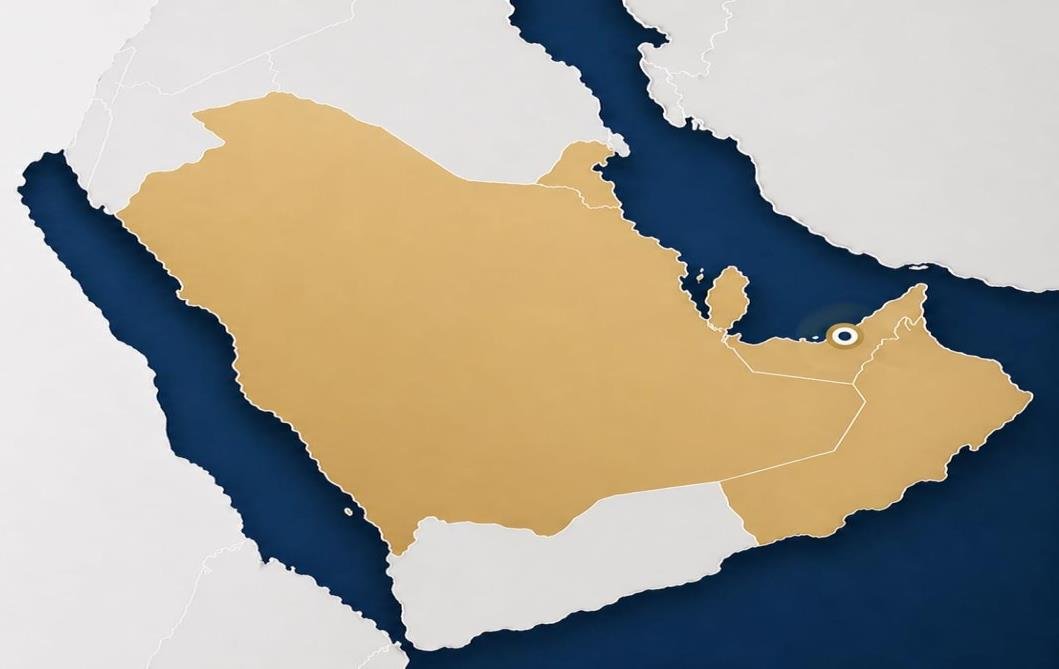
Yes. We serve the UAE, Saudi Arabia, Qatar, Kuwait, Bahrain and Oman from our Dubai hub, with one point of contact for the whole region.